If you're looking for an advanced skin rejuvenation treatment that improves texture, tone, fine lines, sun damage, and acne scars with minimal downtime, the HALO Sciton Tribrid Laser is one of today's most effective options. This innovative laser technology combines multiple wavelengths to target different layers of the skin simultaneously, delivering impressive results with a customized treatment approach.
Whether you're exploring your first laser procedure or comparing different resurfacing technologies, understanding how the tribrid laser works can help you make an informed decision. In this complete guide, we'll explain everything about the Sciton Halo Tribrid, including its benefits, treatment process, recovery timeline, aftercare, and expected results.
What Is HALO Sciton Tribrid Laser?
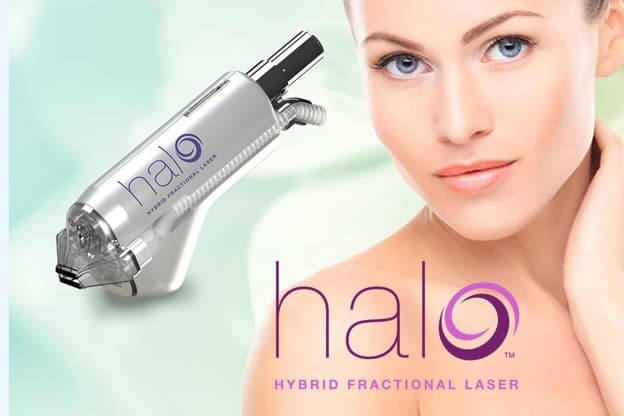
The HALO Sciton Tribrid Laser is an advanced hybrid skin resurfacing technology developed by Sciton. Unlike traditional lasers that treat only one skin layer, the sciton tribrid platform combines different laser technologies to address multiple skin concerns during a single treatment session.
The sciton laser halo utilizes both ablative and non-ablative wavelengths, allowing providers to customize the depth and intensity of treatment based on your skin goals. This innovative approach helps stimulate collagen production while minimizing downtime compared to fully ablative laser treatments.
Many patients choose the halo tribrid laser because it offers noticeable skin rejuvenation with a faster recovery period and long-lasting improvements.
How Does the Tribrid Laser Work?
The tribrid laser works by delivering controlled laser energy to different layers of the skin. The non-ablative wavelength heats deeper tissue to stimulate collagen and elastin production without removing the skin's surface. At the same time, the ablative wavelength resurfaces the outer skin layer by removing damaged skin cells.
This dual-action technology allows the sciton halo tribrid treatment to improve:
- Fine lines and wrinkles
- Sun damage
- Uneven skin tone
- Hyperpigmentation
- Enlarged pores
- Acne scars
- Skin texture
- Early signs of aging
Because the halo tribrid laser treats multiple skin layers simultaneously, patients often notice smoother, brighter, and healthier-looking skin after recovery.
What Skin Concerns Can HALO Tribrid Treat?
The versatility of the tribrid face treatment makes it suitable for addressing numerous cosmetic concerns. Common treatment areas include the face, neck, chest, and hands.
The tribrid laser effectively treats:
- Fine lines around the eyes and mouth
- Wrinkles caused by aging
- Sun spots and age spots
- Melasma (in selected patients)
- Uneven pigmentation
- Acne scars
- Surgical scars
- Rough skin texture
- Enlarged pores
- Mild skin laxity
The halo tribid treatment is also popular among patients looking for preventive anti-aging before deeper wrinkles develop.
Key Benefits of HALO Sciton Tribrid Laser
One of the biggest reasons patients choose the halo tribrid laser is its ability to deliver significant skin improvements without the prolonged downtime associated with older laser technologies.
Major benefits include:
- Customizable treatment for different skin concerns
- Simultaneous treatment of multiple skin layers
- Improved collagen production
- Smoother skin texture
- Brighter complexion
- Reduction in pigmentation
- Softening of fine lines and wrinkles
- Improvement in acne scars
- Faster healing than traditional ablative lasers
- Long-lasting rejuvenation
The sciton laser halo is suitable for many skin types when performed by an experienced provider using an individualized treatment plan.
Read More - Why Moxi Plus Laser Is Top for Gentle, Effective Skin Rejuvenation
Who Is a Good Candidate for Sciton Halo Tribrid?
The sciton halo tribrid is ideal for adults seeking noticeable skin rejuvenation without extensive recovery.
You may be a good candidate if you have:
- Mild to moderate sun damage
- Uneven skin texture
- Fine lines
- Enlarged pores
- Acne scars
- Early aging signs
- Pigmentation concerns
- Healthy skin without active infection
However, individuals with certain medical conditions, active cold sores, pregnancy, or recent isotretinoin use should consult their provider before treatment.
What Happens During the HALO Tribrid Laser Procedure?
Understanding the treatment process helps reduce anxiety and prepares you for your appointment.
Step 1: Consultation
Your provider evaluates your skin, discusses your concerns, reviews medical history, and determines whether the tribrid laser is appropriate.
Step 2: Skin Preparation
The treatment area is thoroughly cleansed. A topical numbing cream is usually applied 30–60 minutes before the procedure to maximize comfort.
Step 3: Laser Treatment
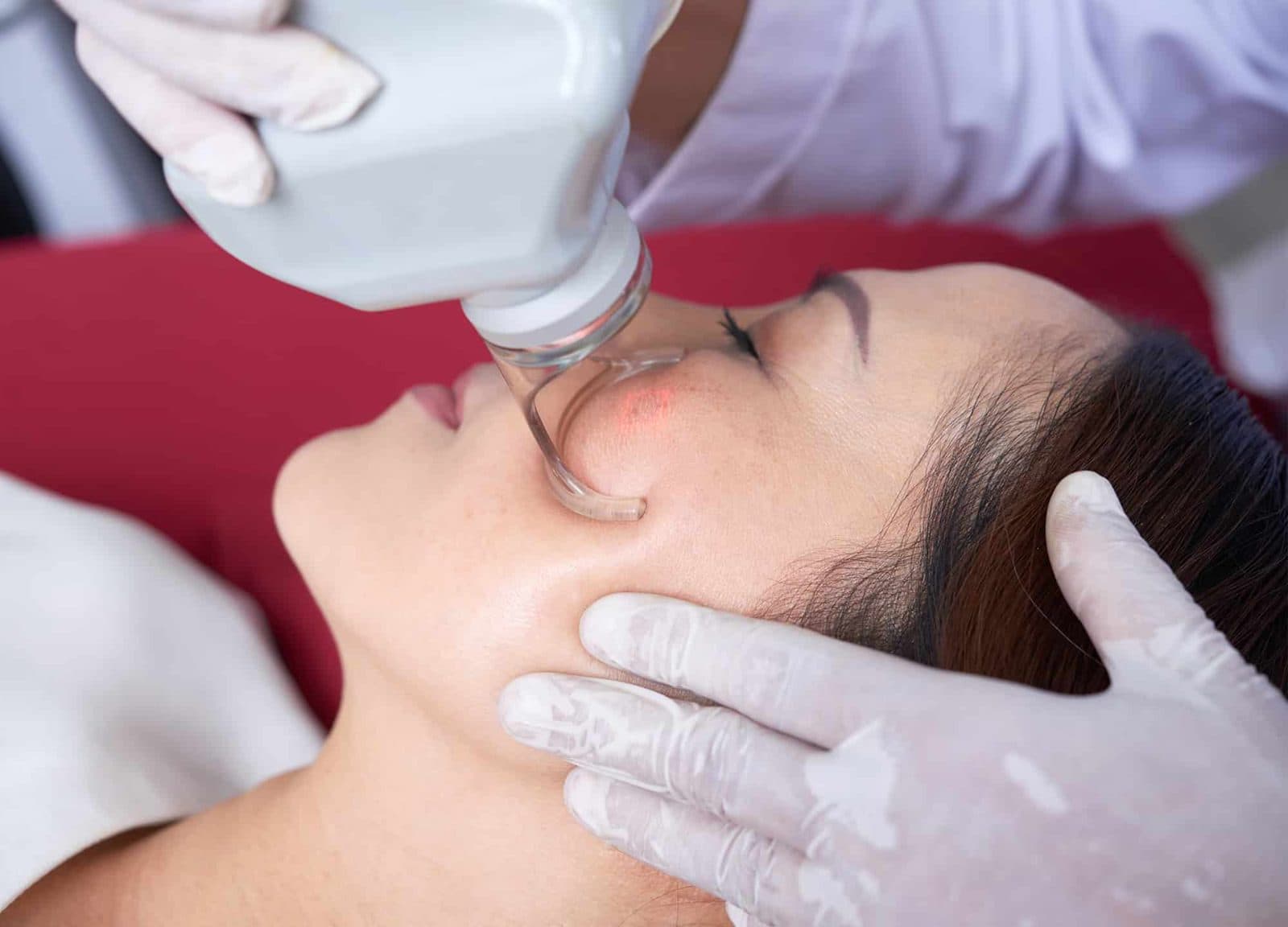
The halo tribrid laser handpiece glides across the treatment area while delivering precise laser energy to both superficial and deeper skin layers. Patients commonly describe the sensation as warmth with occasional prickling.
Step 4: Cooling and Protection
After treatment, cooling measures and soothing skincare products are applied to calm the skin and reduce discomfort.
The complete procedure typically takes 30 to 90 minutes depending on the treatment area.
HALO Tribrid Recovery Timeline
One of the most common questions patients ask concerns halo tribrid recovery. Although recovery varies, most patients experience predictable healing.
Day 1
- Redness
- Warm sensation similar to sunburn
- Mild swelling
Days 2–3
- Skin begins bronzing
- Tiny dark spots appear
- Mild tightness develops
Days 3–5
- Skin starts flaking naturally
- Fresh skin becomes visible
- Texture begins improving
Days 5–7
- Most peeling resolves
- Redness decreases
- Makeup can usually be worn
Weeks 2–4
- Skin appears brighter
- Tone becomes more even
- Collagen remodeling continues
Complete halo tribrid recovery may continue internally for several weeks as new collagen develops beneath the surface.
HALO Tribrid Aftercare Tips
Proper aftercare is essential for optimal healing and long-lasting results after sciton tribrid treatment.
Follow these important care instructions:
- Keep skin clean and hydrated.
- Apply recommended healing ointments.
- Avoid picking or peeling flaking skin.
- Use broad-spectrum SPF 30–50 daily.
- Stay hydrated.
- Avoid excessive heat for several days.
- Skip harsh exfoliants and retinoids until cleared by your provider.
- Avoid strenuous exercise for 24–48 hours if advised.
- Follow all post-treatment instructions carefully.
Good aftercare supports smoother healing during halo tribrid recovery and helps maximize your final results.
When Will You See Results?
Initial improvements often become visible within one week after peeling finishes. However, collagen production continues for several months, meaning skin quality keeps improving over time.
Many patients notice:
- Brighter complexion
- Reduced pigmentation
- Firmer skin
- Improved texture
- Softer wrinkles
- More youthful appearance
Results from the sciton halo tribrid can last for years with proper skincare, sun protection, and maintenance treatments.
How Many Treatments Are Needed?
The number of sessions depends on your skin concerns and treatment goals. Generally:
- Mild rejuvenation: 1 session
- Moderate sun damage: 1–2 sessions
- Acne scars: 2–4 sessions
- Significant pigmentation: Customized treatment plan
Your provider will determine the ideal schedule based on your individual skin assessment.
Are There Any Side Effects?
The halo tribrid laser is considered safe when performed by trained professionals. Temporary side effects may include:
- Redness
- Swelling
- Warmth
- Dryness
- Peeling
- Mild itching
- Temporary bronzing
These reactions are generally expected and resolve as the skin heals.
Why Choose Sciton Halo Tribrid Over Traditional Laser Treatments?
Compared with older resurfacing lasers, the sciton laser halo offers several advantages.
Advantages include:
- Personalized treatment settings
- Improved comfort
- Less downtime
- Simultaneous treatment of multiple skin layers
- Faster healing
- Natural-looking rejuvenation
- Long-lasting collagen stimulation
The advanced sciton tribrid platform allows providers to tailor treatments for each patient's skin type and cosmetic goals.
Frequently Asked Questions
Is the tribrid face treatment painful?
Most patients tolerate the tribrid face procedure well with topical numbing cream. Mild warmth and tingling are common during treatment.
How long does halo tribrid recovery take?
Most visible healing occurs within 5–7 days, while collagen remodeling continues for several months.
Can I wear makeup after treatment?
Most providers recommend waiting until peeling has resolved, typically around one week.
Is the halo tribid treatment safe for all skin types?
The halo tribid treatment can be customized for many skin types, but candidacy should always be determined during a professional consultation.
How long do results last?
Results often last for years when combined with quality skincare, sun protection, and maintenance treatments.
Final Thoughts
The HALO Sciton Tribrid Laser represents one of the most advanced skin resurfacing technologies available today. By combining multiple laser wavelengths into a single customizable treatment, the tribrid laser effectively addresses fine lines, wrinkles, pigmentation, acne scars, enlarged pores, and overall skin texture with less downtime than many traditional resurfacing procedures.
Whether you're considering a tribrid face treatment for early signs of aging or seeking comprehensive skin rejuvenation, the sciton halo tribrid provides an excellent balance of effectiveness, safety, and recovery. Following proper halo tribrid recovery guidelines and aftercare recommendations helps ensure optimal healing and long-lasting results. If you're looking for HALO TRIBRID Laser Treatment in Sugar Land - Rania Aesthetic Studio, choosing an experienced provider can help you achieve safe, personalized care and optimal skin rejuvenation results. Consult a qualified provider to determine whether the sciton tribrid treatment is the right choice for your skin goals.