Acne may eventually clear, but the marks and scars it leaves behind can remain for months or even years. Fortunately, modern dermatology offers several options to improve the appearance of acne scars. The important point is that not every acne scar treatment works equally well for every scar. The right approach depends on the type, depth, location, skin tone, and overall condition of your skin.
If you are considering an acne scar treatment, understanding the difference between rolling, boxcar, ice-pick, and raised scars can help you have a more productive discussion with a qualified dermatologist. Current evidence supports using different procedures—or combinations of procedures—for different scar patterns rather than relying on one universal treatment.
What Are Acne Scars?
Acne scars develop when inflammation from acne damages the skin and affects collagen production during healing. They are generally divided into two broad categories: atrophic scars, which appear as depressions in the skin, and raised scars, which develop when excess scar tissue forms.
Atrophic scars are particularly common and include:
- Ice-pick scars: Narrow, deep scars that extend into the skin.
- Boxcar scars: Round or oval depressions with relatively defined edges.
- Rolling scars: Wider depressions with soft, uneven edges that can give the skin a wavy appearance.
Raised acne scars, including hypertrophic scars and keloids, require a different treatment strategy.
This classification matters because effective acne scar treatment should target the physical structure responsible for the scar—not simply the discoloration on the surface.
Acne Marks vs. Acne Scars
Before choosing an acne scar treatment, it is important to determine whether you actually have scars or post-acne discoloration.
Red or brown spots left after pimples may gradually fade and are not necessarily true scars. Depressed or raised areas, however, indicate structural scarring and often require professional procedures.
Topical skincare may help improve pigmentation and prevent new acne, but it generally cannot completely remodel deeper depressed scars. A dermatologist can determine whether your primary concern is pigmentation, texture, or both.
Choosing the Best Acne Scar Treatment for Your Scar Type
There is no single best acne scar treatment for everyone. Your dermatologist may recommend one procedure or combine several treatments.
1. Microneedling for Mild to Moderate Depressed Scars
Microneedling uses fine needles to create controlled micro-injuries in the skin. This stimulates the body's wound-healing response and encourages new collagen formation.
It may be particularly useful for rolling and some shallow boxcar scars. Multiple sessions are usually required, with gradual improvement rather than an immediate transformation.
Microneedling can also be combined with other approaches when appropriate. Recent reviews continue to investigate its role alongside chemical treatments and other scar-remodeling procedures.
2. Laser Resurfacing for Texture and Collagen Remodeling
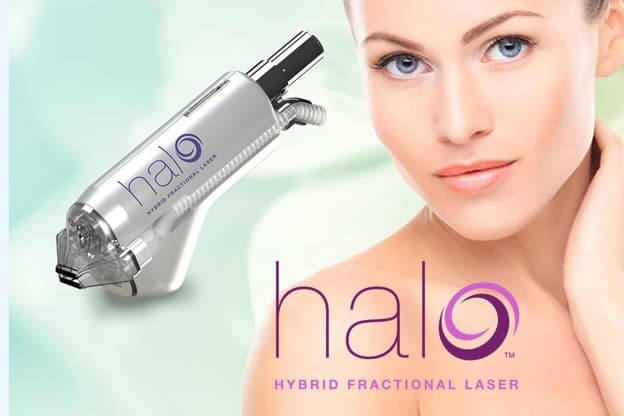
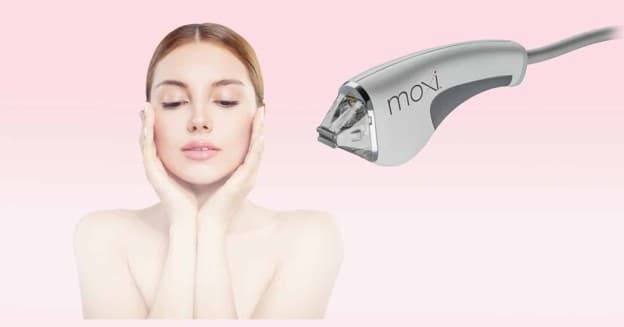
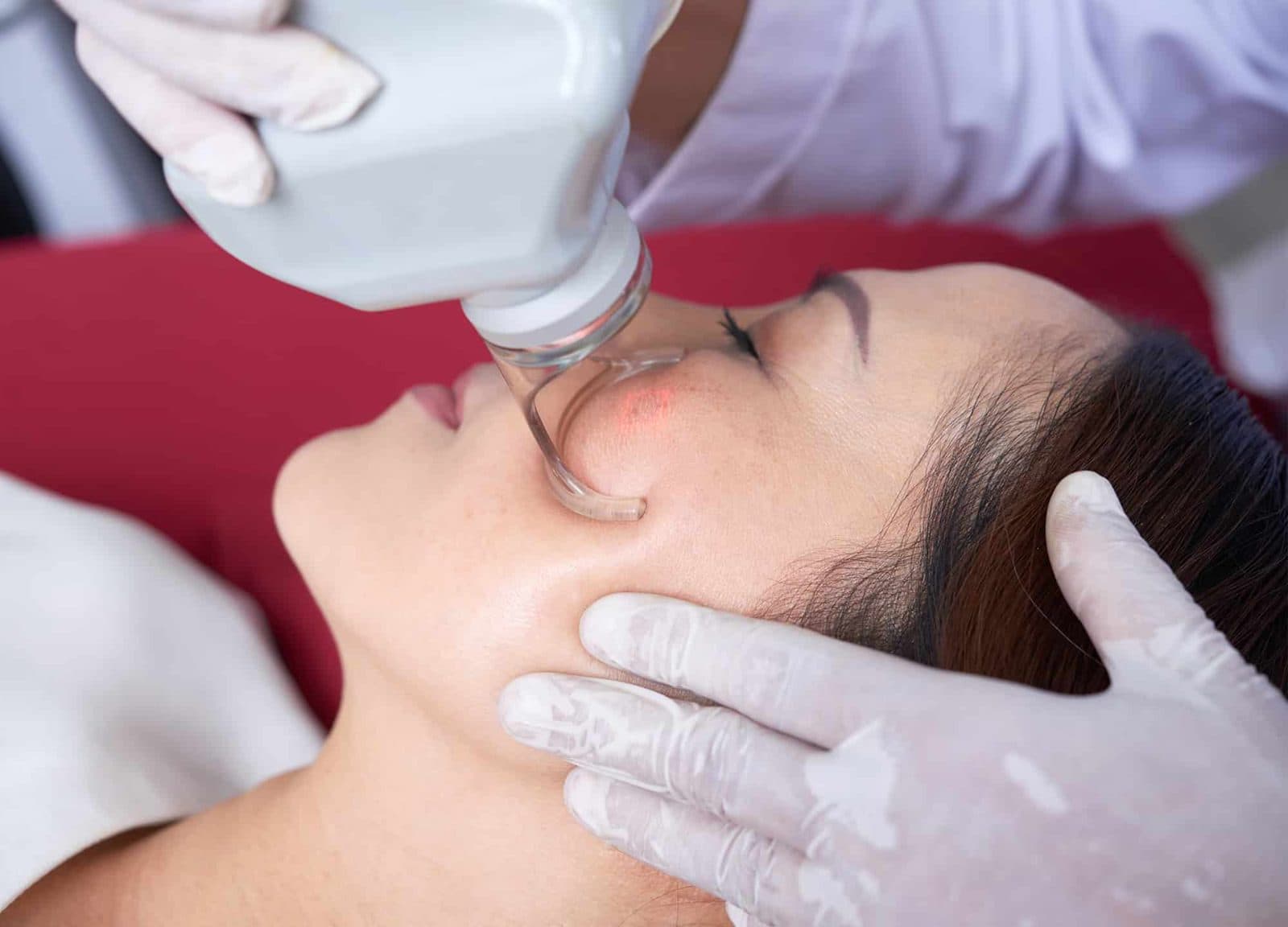
Laser resurfacing is another widely used acne scar treatment. Fractional lasers create microscopic treatment zones in the skin, stimulating collagen remodeling while leaving surrounding tissue intact.
Ablative fractional lasers, such as fractional CO₂ lasers, can provide significant resurfacing for selected patients with moderate-to-severe atrophic acne scars. Non-ablative fractional lasers may offer a gentler approach with less downtime, although the results and treatment requirements differ.
Laser settings should be customized according to scar depth, skin type, pigmentation risk, and treatment goals.
3. Subcision for Rolling, Tethered Scars
Some rolling scars are caused by fibrous bands tethering the skin downward. Subcision is designed to release these underlying attachments.
During the procedure, a dermatologist uses a specialized needle or instrument beneath the scar to separate the fibrous bands from the deeper tissue. Releasing this tethering allows the depression to rise and encourages remodeling during healing.
For appropriately selected rolling scars, subcision can be an important part of the process of acne scar treatment. It may also be combined with microneedling, laser resurfacing, or fillers depending on the individual case.
4. TCA CROSS for Ice-Pick Scars
Ice-pick scars are deep and narrow, so conventional resurfacing alone may not always address their full depth.
TCA CROSS—chemical reconstruction of skin scars—is a technique in which a high-concentration chemical solution is precisely applied to individual scars. The goal is to stimulate localized tissue remodeling.
Because concentrated acids can cause burns, pigmentation changes, or additional scarring when used incorrectly, this procedure should be performed by an experienced medical professional rather than attempted at home.
5. Dermal Fillers for Selected Depressed Scars
Some wider or deeper depressed scars may benefit from injectable dermal fillers. Fillers add volume beneath selected scars, helping raise depressions and create a smoother appearance.
Fillers do not permanently eliminate every type of acne scar, and their suitability depends on scar characteristics and the patient's anatomy. They may be used alone or as part of a combination plan.
6. Radiofrequency Microneedling
Radiofrequency microneedling combines controlled needle penetration with radiofrequency energy delivered into the skin. This can stimulate collagen remodeling while targeting deeper tissue.
It may be considered for certain atrophic scars and for patients who want an approach that addresses both texture and collagen remodeling. As with laser treatment, the device, settings, and treatment depth should be selected according to the individual's skin and scar characteristics.
How Skin Type Affects Acne Scar Treatment
Your skin tone is an important consideration when selecting an acne scar treatment. People with darker skin tones can have a greater risk of post-inflammatory hyperpigmentation after some aggressive procedures.
This does not mean that people with darker skin cannot undergo laser or other professional treatments. Instead, treatment parameters, device selection, preparation, and aftercare need to be carefully customized.
A qualified dermatologist can assess your skin's pigmentation response and select an appropriate treatment strategy.
What Is the Process of Acne Scar Treatment?
The process of acne scar treatment usually begins with a detailed consultation. Your dermatologist examines the scars, determines their types and severity, evaluates active acne, and reviews your medical and skincare history.
The next stage is treatment planning. Depending on your needs, the plan could involve:
- Controlling active acne first.
- Identifying scar types.
- Treating pigmentation separately if necessary.
- Selecting an appropriate procedure.
- Completing multiple sessions when needed.
- Following a customized recovery and skincare routine.
- Reviewing progress and adjusting treatment.
The process of acne scar treatment is usually gradual because collagen remodeling takes time. Some patients require a combination of procedures to address different scar types on the same face.
How to Get Better Results From Acne Scar Treatment
Successful acne scar treatment in Sugar Land does not end when the procedure is completed. Proper aftercare is essential.
Follow your dermatologist's instructions regarding cleansing, moisturization, sunscreen, and active skincare products. Daily broad-spectrum sunscreen is particularly important because inflammation and ultraviolet exposure can contribute to persistent pigmentation.
Avoid picking at acne, because repeated inflammation can create new scars. If active acne continues, controlling breakouts should remain part of your long-term treatment plan.
It is also important to have realistic expectations. Acne scar removal is often used to describe these procedures, but complete removal of every scar is not always possible. The realistic objective is usually to make scars significantly less noticeable and improve overall skin texture.
Can Acne Scars Be Completely Removed?
One of the most common questions about acne scar treatment is whether scars can be removed permanently.
In many cases, treatment can produce substantial improvement, but no procedure guarantees 100% scar removal. Deep or longstanding scars may require several sessions and a combination approach.
The best acne scar treatment is therefore the one that matches the individual scar rather than the treatment that is simply considered the most advanced or expensive.
For example, a patient with rolling scars may benefit from subcision, while someone with numerous shallow scars may be considered for microneedling or fractional resurfacing. Ice-pick scars may require targeted chemical treatment, while selected deeper depressions may benefit from fillers or other procedures.
Final Thoughts
Choosing the right acne scar treatment requires more than identifying that you have "acne scars." The type and depth of each scar, your skin tone, active acne status, downtime preferences, and previous treatments all influence the decision.
The process of acne scar treatment should therefore begin with a professional assessment rather than a one-size-fits-all procedure. Modern approaches—including microneedling, fractional lasers, subcision, TCA CROSS, radiofrequency microneedling, and dermal fillers—can each have a role when appropriately selected. For those considering Rania Aesthetic Studio, the best laser treatment in Sugar Land, a qualified professional can help determine whether a laser-based approach is suitable for their specific scar type and skin needs.
If your goal is to remove acne scars, remember that improvement is generally progressive. A personalized treatment plan, realistic expectations, consistent aftercare, and professional supervision can provide the best opportunity for smoother, more even-looking skin.